Why Humane Wildlife Removal Is Important for Property and Animal Safety
Local service providers can safely and humanely remove wildlife from your property, helping protect your home and ensuring the animals are treated ethically.
Understanding why humane wildlife removal is important for property and animal safety can help property owners address common concerns before they escalate. Wildlife such as raccoons, squirrels, or bats often find their way into attics, crawl spaces, or other hidden areas, posing risks to both the animals and the integrity of the property. Implementing humane removal methods ensures that these animals are relocated safely and ethically, reducing potential damage to structures and preventing the spread of pests or diseases that can arise from animal intrusion.
Exploring this topic is especially relevant for property owners in the area who want to protect their investments while respecting local wildlife. Local service providers specializing in humane wildlife removal have the experience and tools to handle these situations effectively, ensuring that animals are removed without harm and that entry points are properly sealed. Keeping reading can provide insights into how professional, humane approaches contribute to property preservation and animal safety, helping owners make informed decisions when wildlife encounters occur.
- Bird removal - when birds nest in vents or eaves, local contractors can safely remove them to prevent damage and health risks.
- Bat exclusion - if bats have roosted inside attics, service providers can humanely exclude them to protect property and reduce contamination.
- Squirrel removal - squirrels nesting in walls or roofs require professional removal to prevent structural damage and pest issues.
- Raccoon removal - raccoons occupying chimneys or crawl spaces are handled by local experts to ensure humane eviction and property safety.
- Skunk removal - when skunks burrow under decks or sheds, local contractors can safely remove them to avoid property damage and odor problems.
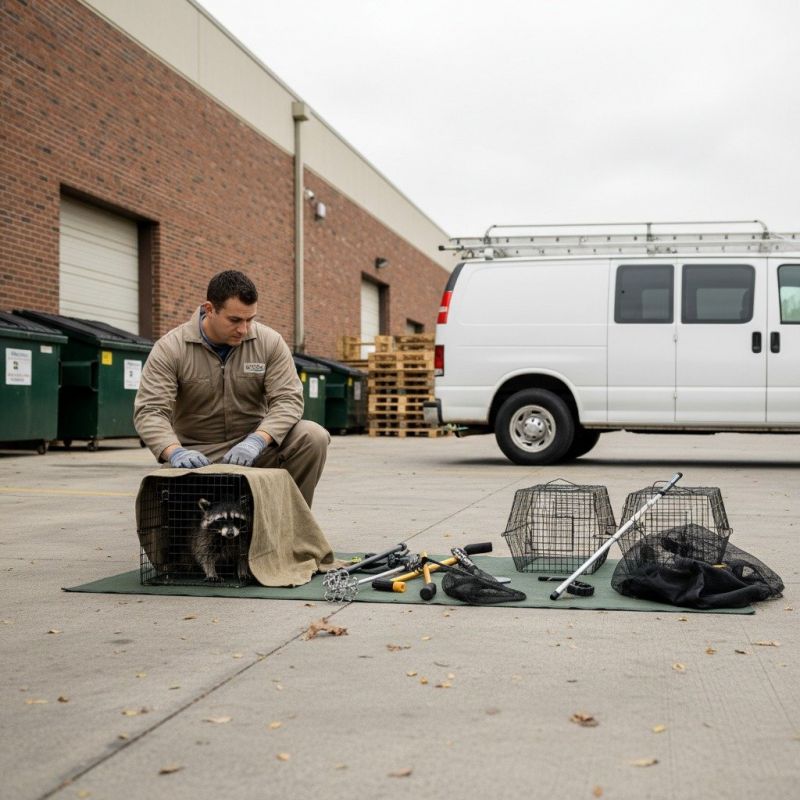
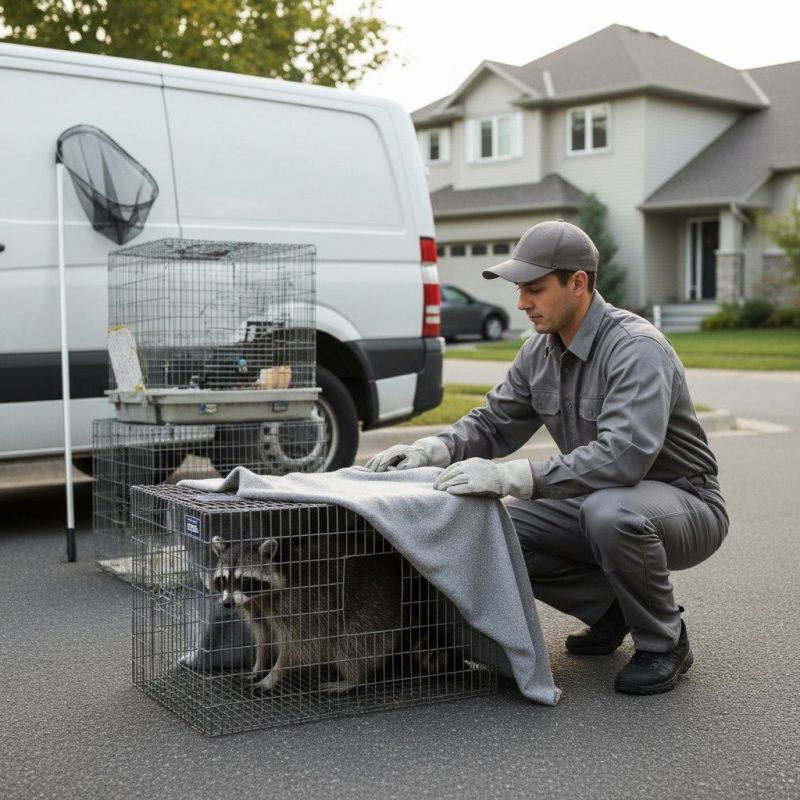
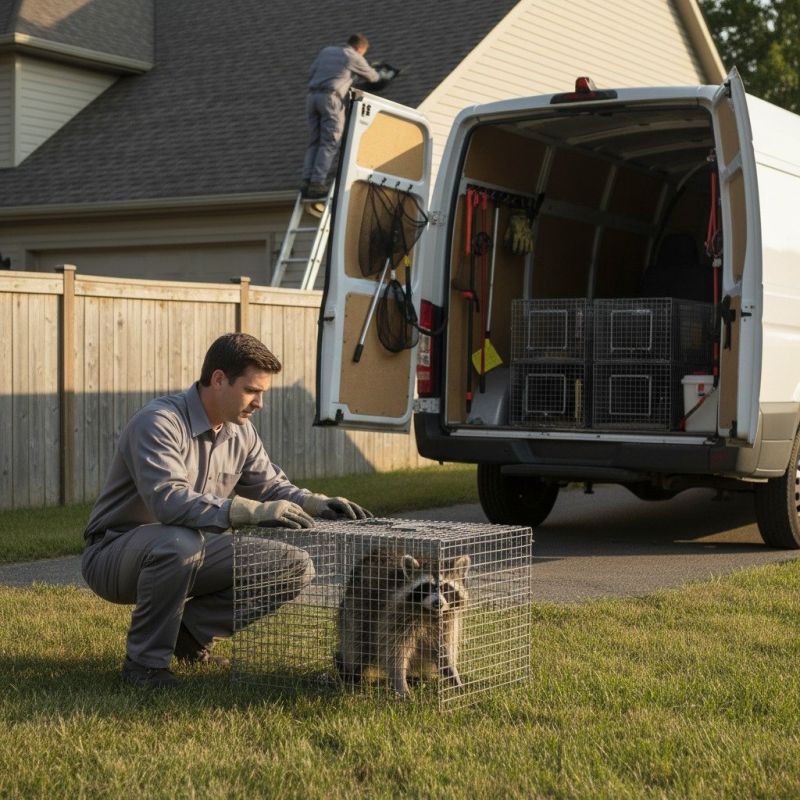
When people search for why humane wildlife removal is important for property and animal safety, they are often concerned about the presence of unwanted animals causing damage or creating hazards on their property. Commonly, property owners notice animals like raccoons, squirrels, bats, or birds nesting in attics, chimneys, or wall cavities. These situations raise questions about how to remove animals safely and humanely, without causing harm or stress to the animals, while also preventing future problems. Understanding the significance of humane removal helps homeowners protect their property from damage and avoid risks associated with animal infestations.
The problems associated with wildlife on a property often extend beyond mere nuisance. Animals that take up residence can cause structural damage by chewing through wiring, insulation, or building materials. They may also leave behind droppings and urine that can contaminate living spaces or pose health risks. Additionally, certain animals carry diseases that can be transmitted to humans or pets. Homeowners planning for wildlife removal often seek solutions that effectively address these issues while ensuring the animals are relocated humanely. Local service providers specializing in humane wildlife removal are equipped to handle these situations responsibly, offering solutions that prioritize animal welfare and property integrity.
Properties that frequently come up in these discussions include residential homes, especially those with attics, garages, or crawl spaces, as well as commercial buildings, barns, and sheds. Homes in wooded or rural areas tend to experience more wildlife activity, but urban properties are also vulnerable. Common signs of wildlife presence include scratching sounds in walls, droppings near entry points, or animals seen at dusk or dawn. When wildlife issues arise, property owners often look for local pros who can assess the situation, identify the species involved, and implement humane removal strategies that prevent animals from returning. This approach helps maintain a safe and clean environment for residents and pets alike.
Understanding why humane wildlife removal is important for property and animal safety connects directly to real projects homeowners may undertake. Whether it’s sealing entry points, installing exclusion devices, or safely relocating animals, local service providers play a vital role in managing these situations effectively. Their expertise ensures that animals are removed without unnecessary harm and that properties are protected from future invasions. For homeowners facing wildlife challenges, working with professionals who prioritize humane practices provides peace of mind, knowing that the removal process is handled responsibly and with respect for animal welfare.
Gutter and roof repair projects - these services often require knowledge of animal entry points and damage prevention, aligning with humane wildlife removal to protect property integrity.
Attic insulation and ventilation upgrades - proper insulation and ventilation help deter wildlife from nesting, making these projects related to humane removal and prevention strategies.
Exclusion and sealing services - sealing gaps and entry points is essential in humane wildlife removal to prevent animals from re-entering structures.
Pest control and infestation management - managing pest populations often involves removing animals humanely to ensure safety and compliance with local regulations.
Structural damage repairs - repairing damage caused by wildlife requires understanding animal behaviors and entry points to prevent future issues.
Chimney and vent cover installations - installing covers helps prevent wildlife from accessing indoor spaces, complementing humane removal efforts for property safety.
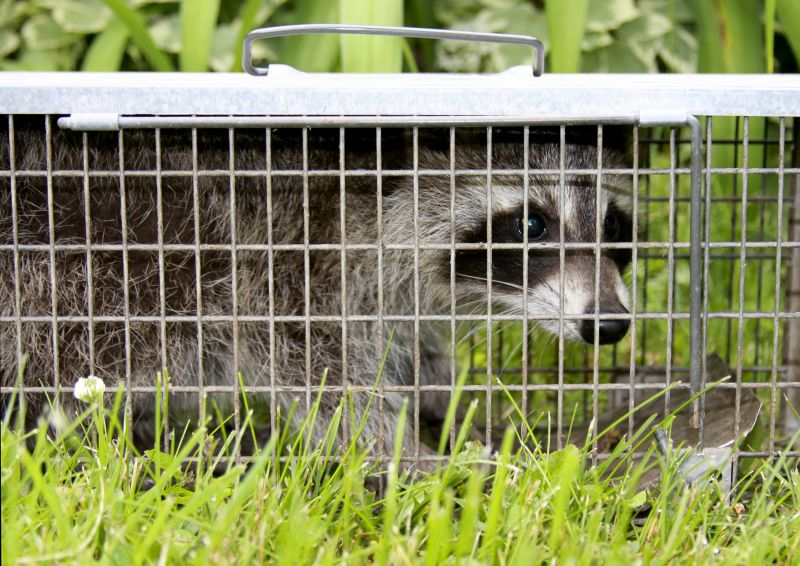
When evaluating local contractors for humane wildlife removal, experience with similar projects is a key factor to consider. Homeowners should seek service providers who have a proven track record of handling wildlife concerns comparable to their specific situation, such as raccoon removal from attics or bird control around eaves. An experienced professional is more likely to understand the nuances of humane removal techniques, ensuring animals are relocated safely and property is protected effectively. This background can also provide confidence that the contractor is familiar with common challenges and best practices, reducing the risk of incomplete or ineffective solutions.
Clear written expectations are essential when comparing local service providers for humane wildlife removal. Homeowners should look for contractors who provide detailed descriptions of the scope of work, methods used, and what clients can expect throughout the process. Transparent communication about procedures helps set realistic expectations and ensures that both parties are aligned on the goals of humane animal removal. Well-defined expectations can also prevent misunderstandings and provide a basis for accountability, making it easier to evaluate the professionalism and reliability of potential contractors.
Reputable references and good communication are vital components when choosing a wildlife removal service provider. Homeowners are encouraged to ask for references or reviews from previous clients to gain insights into the contractor’s reliability, professionalism, and quality of work. Good communication involves timely responses, clear explanations, and a willingness to address questions or concerns. These qualities help ensure that the process of humane wildlife removal proceeds smoothly and that the homeowner feels confident in the service provider’s ability to handle the project responsibly and effectively.
Property owners often search for why humane wildlife removal is important for property and animal safety when they are planning practical projects around their homes and businesses. Local pros provide Humane Wildlife Removal services for everyday jobs and straightforward project options.
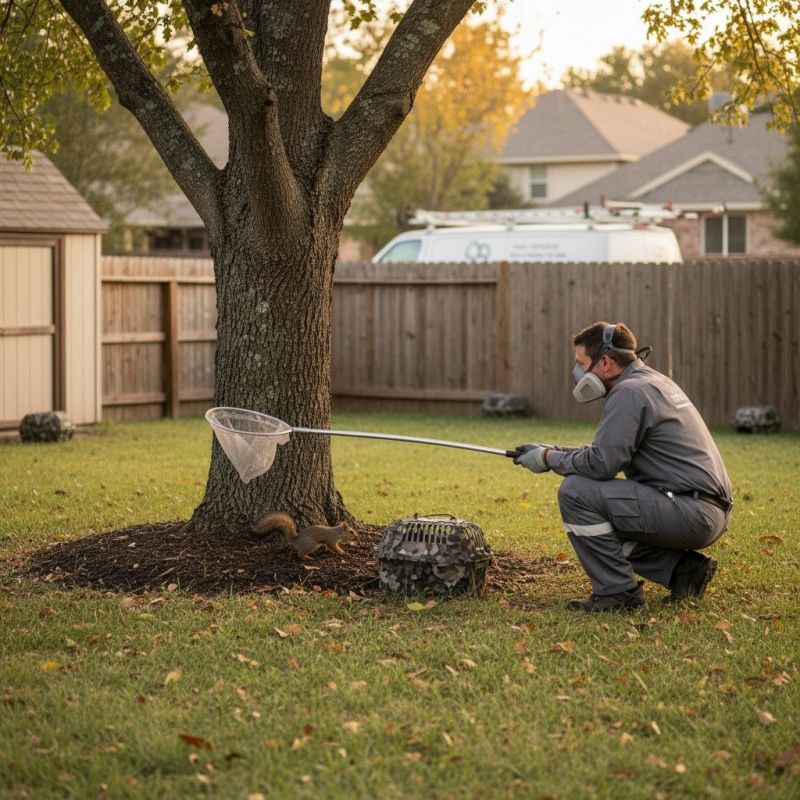
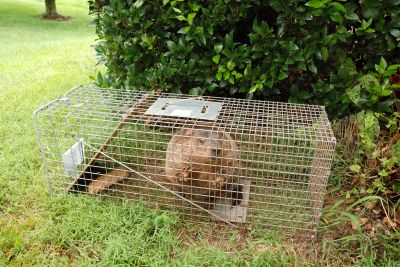
Property owners often seek humane wildlife removal services to address unexpected animal intrusions that can cause property damage or health concerns. When animals such as raccoons, squirrels, or bats find their way into attics, crawl spaces, or rooflines, they can create nests, chew through wiring, or leave droppings that pose health risks. Local service providers specialize in humane methods to safely remove these animals, preventing further damage and reducing the risk of disease transmission, all while ensuring the animals are handled ethically.
Considering humane wildlife removal is also important for maintaining animal safety and preventing potential conflicts. Animals that become trapped or stressed may act defensively, increasing the risk of bites or injuries. Professional wildlife removal experts understand how to handle animals carefully and humanely, reducing harm to both the animals and property owners. Engaging local contractors who prioritize humane practices helps ensure that animal removal is conducted responsibly, minimizing stress on wildlife and safeguarding the property from future issues.
Why is humane wildlife removal important for property safety? Humane wildlife removal helps prevent damage caused by animals such as chewed wiring, insulation destruction, and structural harm, protecting property investments.
How does humane wildlife removal contribute to animal safety? It ensures animals are relocated safely without injury, reducing the risk of animal suffering and preventing conflicts with humans.
What are the risks of not removing wildlife humanely? Failing to remove animals humanely can lead to increased property damage, health hazards from pests, and potential legal issues related to animal welfare.
Why should property owners choose local service providers for wildlife removal? Local contractors understand regional wildlife behaviors and use appropriate, humane techniques to ensure effective and ethical removal.
How can humane wildlife removal help prevent future animal intrusions? Professional removal includes sealing entry points and implementing deterrents, reducing the likelihood of animals returning and ensuring ongoing property safety.
Identify entry points - Property owners can work with local contractors to locate and seal gaps or openings that allow wildlife to access the structure.
Implement humane exclusion methods - Using humane wildlife removal services, property owners can ensure animals are safely removed and prevented from returning.
Maintain clean surroundings - Regularly clearing debris and securing trash can help reduce attractants, with guidance from local pros on best practices.
Schedule routine inspections - Periodic evaluations by wildlife removal specialists help detect and address new entry points or signs of animal activity early.
If you are thinking about why humane wildlife removal is important for property and animal safety for a property, this guide is meant to help you understand this topic, the typical project types, and how different options might fit your plans.
When you are ready, you can use the quote form on this page to share a few details about your project. From there, local pros can review the basics and follow up with options that match what you have in mind.