What to Expect During a Professional Wildlife Removal Visit
People seeking wildlife removal typically want pests safely and humanely removed; local service providers can handle inspections, humane trapping, and exclusion to resolve the issue.
If you're wondering what to expect during a professional wildlife removal visit, you're in the right place. Property owners in the area often seek out these services to address unexpected animal intrusions that can cause property damage or safety concerns. Understanding the typical process can help ease any worries and prepare you for what’s involved. During a visit, experienced service providers will assess the affected areas, identify how animals are getting inside, and develop a plan to safely and effectively remove the wildlife. This visit is designed to be thorough and focused on resolving the issue with minimal disruption to your property.
Knowing what to expect can also highlight the practical benefits of working with local contractors who specialize in wildlife removal. These professionals are equipped to handle a range of situations, from raccoons nesting in attics to squirrels in wall cavities. Their approach often includes inspecting the property for entry points, implementing humane removal methods, and offering advice on how to prevent future visits. Keep reading to learn more about how these experts can assist in restoring safety and peace of mind to your home or business.
- Wildlife exclusion - when animals have entered a property and need to be safely removed and prevented from returning, local contractors typically evaluate entry points and install humane exclusion devices.
- Nest removal - if animals have established nests in attics or wall cavities, local service providers carefully remove the nests and ensure proper cleanup to prevent future issues.
- Animal trapping - in cases where animals need to be captured and relocated, local pros use humane traps and handle the process in accordance with best practices.
- Damage repair - after wildlife removal, local contractors often assess and repair structural damage caused by animals to restore safety and integrity.
- Cleanup and sanitation - when animal droppings or debris are present, local service providers perform thorough cleaning to eliminate odors and prevent health risks during a wildlife removal visit.
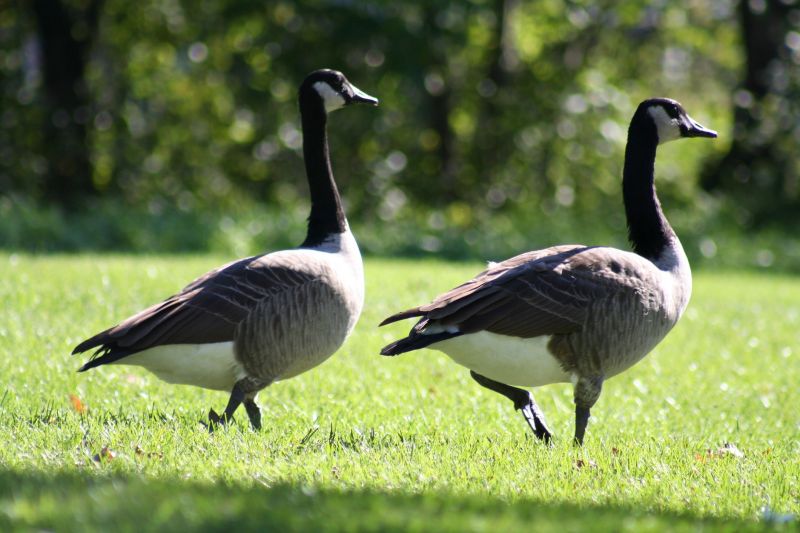
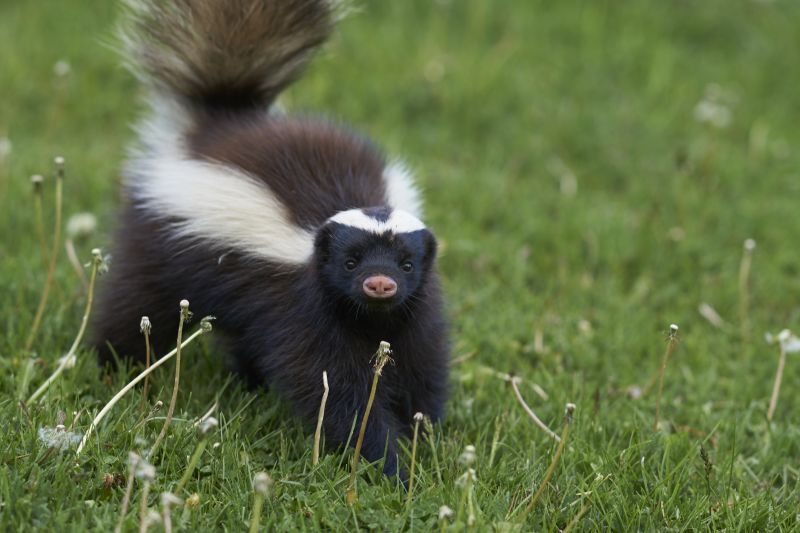
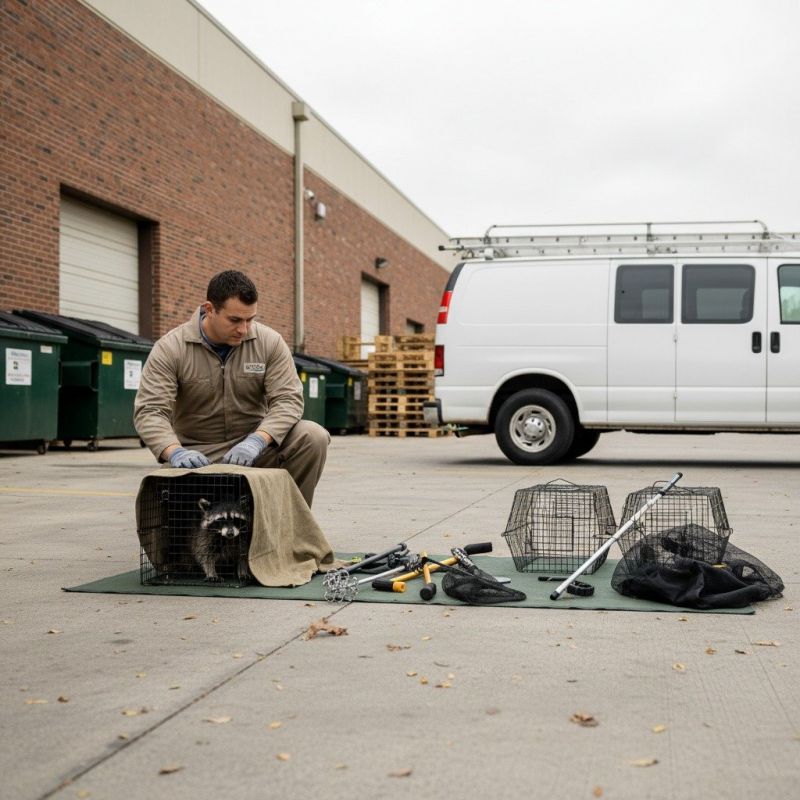
When people search for what to expect during a professional wildlife removal visit, they are often seeking clarity about the process involved in addressing unwanted animals on their property. These visits usually revolve around identifying the specific species causing the problem, such as raccoons, squirrels, bats, or birds, and understanding how the wildlife is accessing the property. Homeowners want to know what steps are taken to safely and humanely remove animals, as well as how the process is managed to prevent future issues. This information helps them prepare for the visit, ensuring they understand what might happen during the service and how the wildlife professionals will handle the situation.
Wildlife removal services typically relate to problems like animals nesting in attics, crawling through vents, or creating disturbances in walls and ceilings. Homeowners might also be planning to prevent animals from returning or seeking a permanent solution to ongoing issues. The visit often involves inspecting the property thoroughly to locate entry points, signs of activity, and areas where animals might be nesting or hiding. Service providers focus on humane removal methods and may also recommend repairs or modifications to prevent animals from re-entering. Understanding what to expect during a wildlife removal visit helps property owners coordinate their efforts and ensures the process is smooth and effective.
The types of properties that commonly come up during these visits include residential homes, especially those with attics, chimneys, or roof vents that provide entry points for wildlife. Commercial buildings, barns, and outbuildings are also frequently involved, particularly in rural or semi-rural areas where animals might seek shelter. These properties often have structural features that make them attractive to wildlife, such as gaps, loose siding, or damaged soffits. Homeowners should be aware that wildlife professionals tailor their approach based on the property type, focusing on identifying vulnerabilities and implementing solutions that suit the specific structure to keep unwanted animals out.
During a professional wildlife removal visit, homeowners can expect the process to be methodical and focused on safety and effectiveness. The wildlife professionals typically start with an inspection of the property to determine the extent of the activity and locate entry and exit points. They then employ humane removal techniques, which may include trapping or exclusion devices, to remove the animals without causing harm. After the animals are safely removed, the service providers often recommend sealing entry points, repairing damage, and installing barriers to prevent future intrusions. Clear communication about each step helps property owners understand how the service will proceed and what measures are taken to ensure the problem is resolved efficiently and humanely.
Exclusion Services - professionals specialize in sealing entry points and preventing animals from returning, which is a key part of what to expect during a wildlife removal visit.
Animal Trapping and Removal - local contractors often use humane trapping methods to safely remove wildlife, a common component of the removal process.
Habitat Modification - experts may advise on or implement changes to reduce attracting wildlife, aligning with planning during a wildlife removal visit.
Damage Repair - repairing or reinforcing structures affected by wildlife is a typical task handled during these services.
Inspection and Assessment - thorough evaluations of property to identify signs of wildlife activity are part of what to expect during the visit.
Preventative Recommendations - service providers often offer advice on future prevention measures, which is integral to the overall wildlife management process.
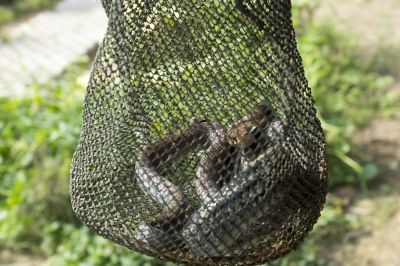
When comparing wildlife removal service providers, it is important to consider their experience with similar projects. Homeowners should seek out local contractors who have a proven track record of handling wildlife removal in residential settings comparable to their own. An experienced professional is more likely to understand the common behaviors of different animals, recognize potential entry points, and implement effective removal strategies. This familiarity can contribute to a smoother process and help ensure that the visit addresses the specific challenges of the property.
Another key factor to evaluate is the clarity of written expectations provided by the service provider. Before committing, homeowners should look for contractors who clearly outline what the wildlife removal visit will entail, including the steps involved, what the homeowner can expect during the process, and any follow-up actions needed. Transparent communication helps set realistic expectations and reduces misunderstandings. Reputable service providers often provide detailed descriptions of their approach, ensuring that homeowners are well-informed about what will happen during the visit.
Finally, assessing the reputation and communication skills of local contractors can make a significant difference in the overall experience. Service providers with good references and positive feedback are more likely to deliver professional, reliable service. Additionally, clear and responsive communication during initial inquiries and throughout the process indicates that the contractor values transparency and is attentive to homeowner concerns. This open dialogue can help homeowners feel more confident about the wildlife removal process and ensure that questions are answered thoroughly, leading to a more satisfactory experience.
Property owners often search for what to expect during a professional wildlife removal visit when they are planning practical projects around their homes and businesses. Local pros provide Wildlife Removal services for everyday jobs and straightforward project options.
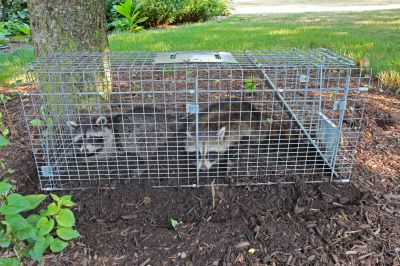
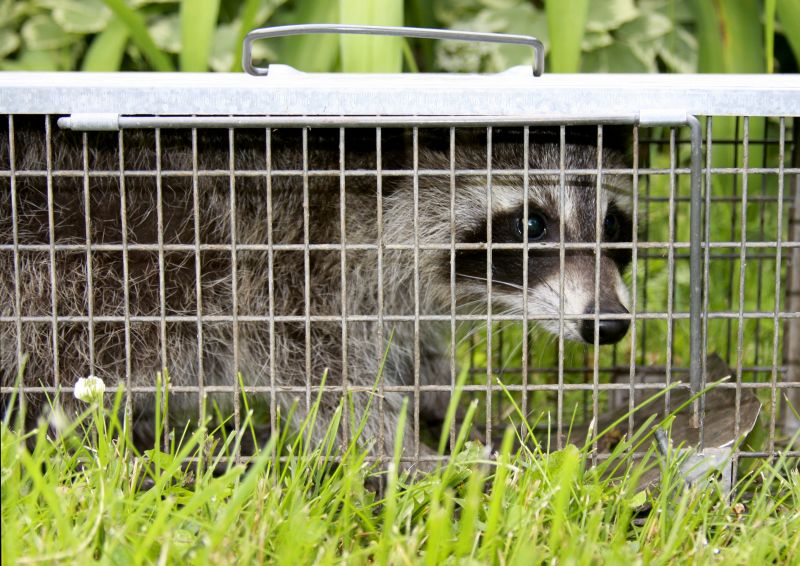
During a professional wildlife removal visit, property owners can expect the service provider to begin with an assessment of the affected area. This typically involves inspecting the property for signs of wildlife activity, such as droppings, nesting sites, or damage. The goal is to identify the species involved and determine how they are gaining access to the building. Once the assessment is complete, the wildlife removal specialist will implement humane exclusion methods to safely remove the animals and prevent future entry. This process often includes sealing entry points and advising on any additional steps needed to protect the property.
Property owners in the area often seek wildlife removal services to address issues like noise, odors, or structural damage caused by animals such as raccoons, squirrels, or bats. During a visit, local contractors aim to handle these situations efficiently and humanely, ensuring the animals are removed without harm. They may also provide guidance on how to reduce attractants and prevent re-infestation. Understanding what to expect during a professional wildlife removal visit can help property owners feel more prepared and confident in the process, knowing that experienced service providers are equipped to handle common project scenarios safely and effectively.
What happens during a professional wildlife removal visit? During a wildlife removal visit, local service providers typically inspect the property to identify signs of animal activity, assess entry points, and determine the type of wildlife involved. They may set up humane traps or exclusion devices to safely remove the animals.
Will the wildlife removal technician need to access the interior of the home? In many cases, technicians may need to inspect the interior to locate nests, entry points, or damage caused by wildlife. However, the extent of interior access varies depending on the situation and the animals involved.
What kind of equipment or tools are used during a wildlife removal visit? Local pros often use humane traps, exclusion materials, and inspection tools like flashlights or cameras to identify animal activity and safely capture or exclude wildlife from the property.
Is the removal process disruptive or messy? The process is generally designed to be as non-disruptive as possible. Technicians aim to minimize disturbance and clean up any debris or droppings caused by wildlife during the visit.
What should homeowners do before a wildlife removal visit? Homeowners are usually advised to secure pets and children, clear access to affected areas, and note any signs of wildlife activity to assist the local service providers during their inspection.
Understanding the inspection process - property owners can learn what areas wildlife might access and prepare accordingly for the inspection conducted by local contractors.
Identifying entry points - homeowners can observe common animal access points and work with pros to plan effective exclusion strategies.
Learning about removal techniques - property owners can gain insight into humane and effective wildlife removal methods used during the visit.
Post-removal expectations - understanding what cleanup and repairs may be involved helps property owners plan for the next steps after wildlife removal services.
If you are thinking about what to expect during a professional wildlife removal visit for a property, this guide is meant to help you understand this topic, the typical project types, and how different options might fit your plans.
When you are ready, you can use the quote form on this page to share a few details about your project. From there, local pros can review the basics and follow up with options that match what you have in mind.