Common Animals Removed by Professional Wildlife Control Services
Local wildlife control service providers can help safely remove common animals like raccoons, squirrels, bats, and birds from your property.
Many property owners in the area encounter wildlife issues that require professional intervention. Animals such as raccoons, squirrels, bats, and skunks are among the most common animals removed by professional wildlife control services. These creatures often find their way into attics, crawl spaces, or beneath decks, creating potential concerns for property integrity and occupant safety. Understanding which animals are typically involved can help homeowners recognize when expert assistance might be needed to safely and effectively resolve the situation.
Choosing experienced local contractors for wildlife removal ensures that animals are handled humanely and that property damage is minimized. Whether dealing with nocturnal visitors like raccoons or daytime intruders such as squirrels, these professionals have the knowledge and tools to address a variety of common animal intrusions. Keep reading to learn more about the animals frequently removed and how local wildlife control services can help maintain a safe, animal-free property.
- Common animals removed by professional wildlife control services include raccoons that have taken up residence in attics, with local contractors using humane exclusion methods. Squirrels often invade crawl spaces or walls, and service providers implement targeted removal and entry point sealing. Bird control services address issues with nesting in vents or eaves, employing deterrents and safe removal techniques. Bat removal is needed when colonies roost in attics or soffits, with local providers safely relocate colonies and secure entry points. Rodent exclusion services tackle mice and rats in basements or wall voids, using trapping and sealing strategies to prevent future infestations.
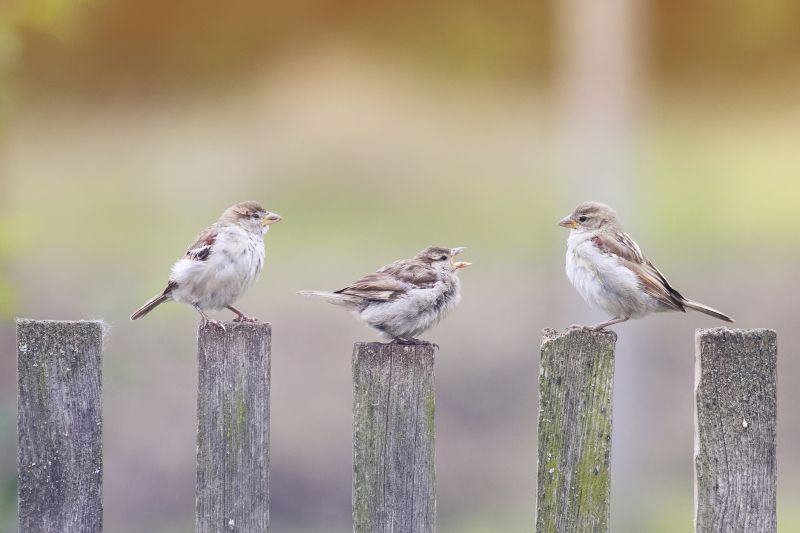
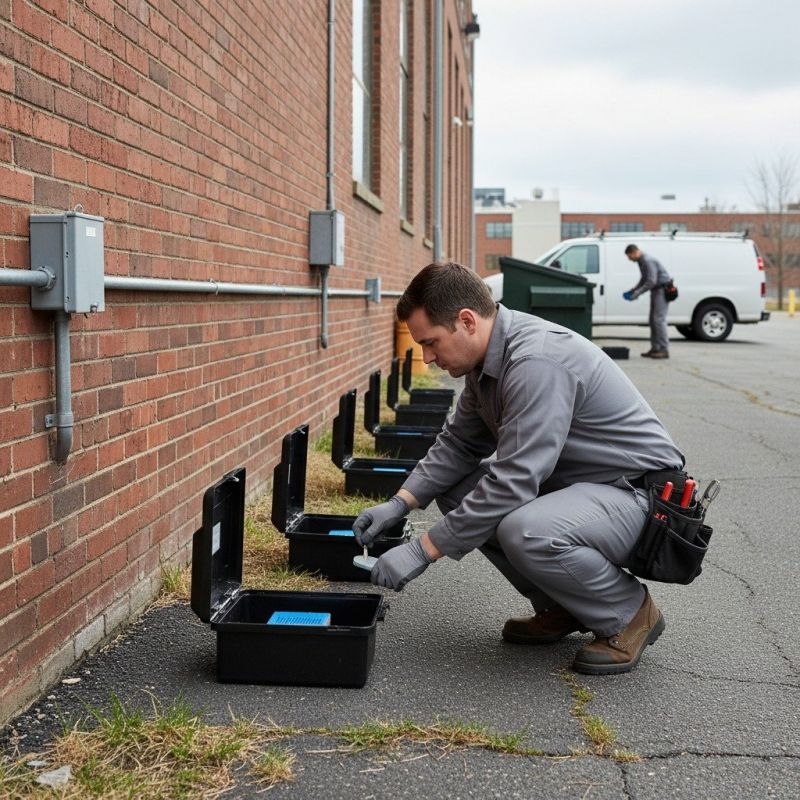
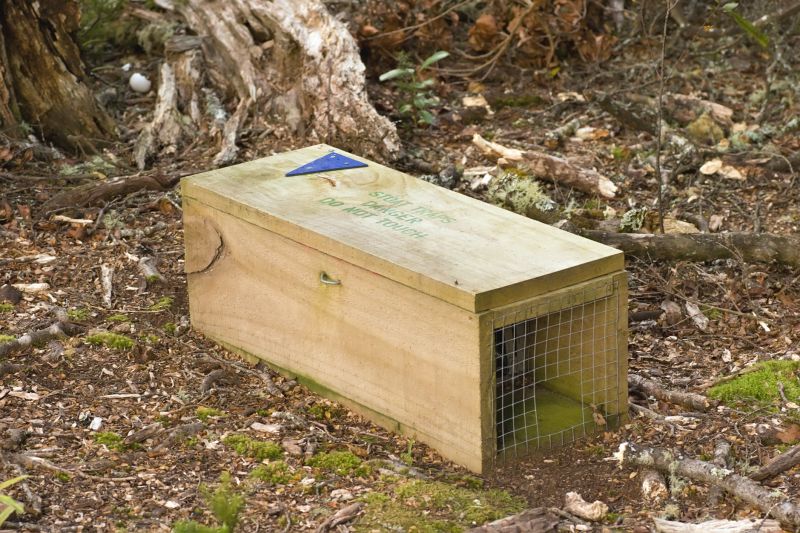
When people search for information about common animals removed by professional wildlife control services, they are often facing unexpected encounters with animals that have found their way into or around their properties. These searches typically stem from concerns about animals causing damage, creating noise disturbances, or posing health risks. Homeowners may notice animals in their attics, basements, or yards, prompting questions about how to handle the situation safely and effectively. The goal of wildlife control professionals is to humanely remove these animals, prevent future invasions, and restore peace of mind for property owners.
This topic is closely related to a variety of property-related problems and plans. For instance, residents might be dealing with animals that have taken up residence in insulation, vents, or crawl spaces, leading to structural damage or compromised air quality. Others may want to prevent animals from nesting in hard-to-reach areas or from accessing food sources around the home. Wildlife control services are often called upon to develop strategies for exclusion and removal, ensuring that animals are removed humanely and that entry points are sealed to prevent recurrence. These efforts are essential components of ongoing property maintenance and pest management plans.
The types of properties that frequently encounter these issues include single-family homes, multi-unit residences, barns, garages, and commercial buildings. Homes with wooded surroundings or nearby water sources tend to attract certain animals more than others. Attics and roof spaces are common entry points for animals like raccoons, squirrels, and bats, while basements and crawl spaces often become habitats for rodents and larger wildlife. Commercial properties with storage areas or open structures may also experience wildlife intrusions. Understanding the specific property type helps local service providers tailor their removal and exclusion methods to effectively address the unique challenges each property presents.
In many cases, the common animals removed by professional wildlife control services are those that have become nuisances or safety concerns. Raccoons, squirrels, bats, rodents, and birds are among the most frequently encountered. These animals are often attracted by easy access to food, shelter, or nesting sites, especially during certain seasons. Homeowners should recognize that wildlife control professionals are equipped to handle these situations humanely, with an emphasis on safe removal and prevention. Connecting with local service providers can help property owners develop a clear plan to address current animal issues and protect their properties from future invasions.
Attic insulation removal - professionals often handle insulation removal when animals like raccoons or squirrels have nested, requiring careful cleanup and replacement to prevent future issues.
Animal trapping and relocation - local contractors experienced in humane trapping can assist with removing common animals such as skunks or bats from residential or commercial properties.
Damage repair and exclusion - experts can repair entry points and install barriers to prevent animals like rodents or birds from re-entering structures after removal.
Nest removal and debris cleanup - specialists can safely remove nests built by birds or other wildlife, ensuring the area is cleared and sanitized.
Wildlife proofing services - service providers can help secure buildings against animals like squirrels or raccoons by sealing potential entry points effectively.
Exclusion device installation - local pros install specialized devices to prevent animals such as bats or raccoons from returning to their previous nesting sites.
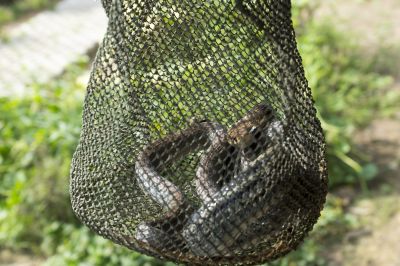
When evaluating wildlife control service providers, it is important to consider their experience handling projects involving common animals removed by professional wildlife control services. An experienced contractor will have a track record of successfully managing similar situations, demonstrating familiarity with the behaviors and habitats of animals such as raccoons, squirrels, bats, and birds. This background can help ensure that the methods used are appropriate and effective, reducing the likelihood of recurring issues. Homeowners should inquire about the types of animals the service provider has worked with and seek out references or examples of past projects to gauge their expertise in addressing the specific wildlife concerns present on their property.
Clear, written expectations are essential when choosing a wildlife control contractor. A reputable service provider will provide a detailed outline of the scope of work, including the techniques and materials used for animal removal, exclusion methods, and any follow-up procedures. Having this information in writing helps homeowners understand what to expect and ensures transparency throughout the process. It also provides a basis for addressing any questions or concerns that may arise during the project. Service providers who communicate expectations clearly and thoroughly demonstrate professionalism and a commitment to meeting the homeowner’s needs.
Effective communication and reputable references are key indicators of a trustworthy wildlife control service. Good communication involves timely responses to questions, clarity about procedures, and openness to discussing options. Homeowners should seek out service providers who are willing to share references or testimonials from previous clients, especially those who had similar wildlife issues. This feedback can offer insights into the contractor’s reliability, quality of work, and ability to handle common animals removed by professional wildlife control services. Choosing a provider with a strong reputation and clear communication practices can help ensure a smoother experience and successful resolution of wildlife-related concerns.
Property owners often search for common animals removed by professional wildlife control services when they are planning practical projects around their homes and businesses. Local pros provide Wildlife Control services for everyday jobs and straightforward project options.
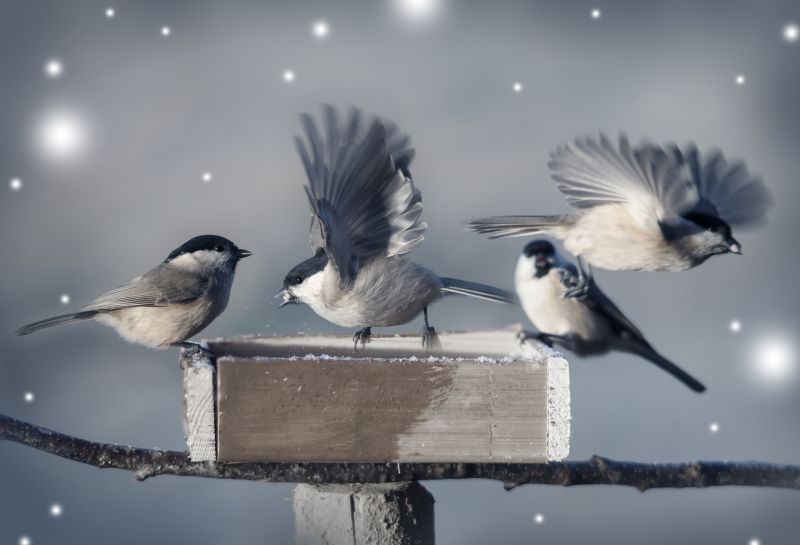
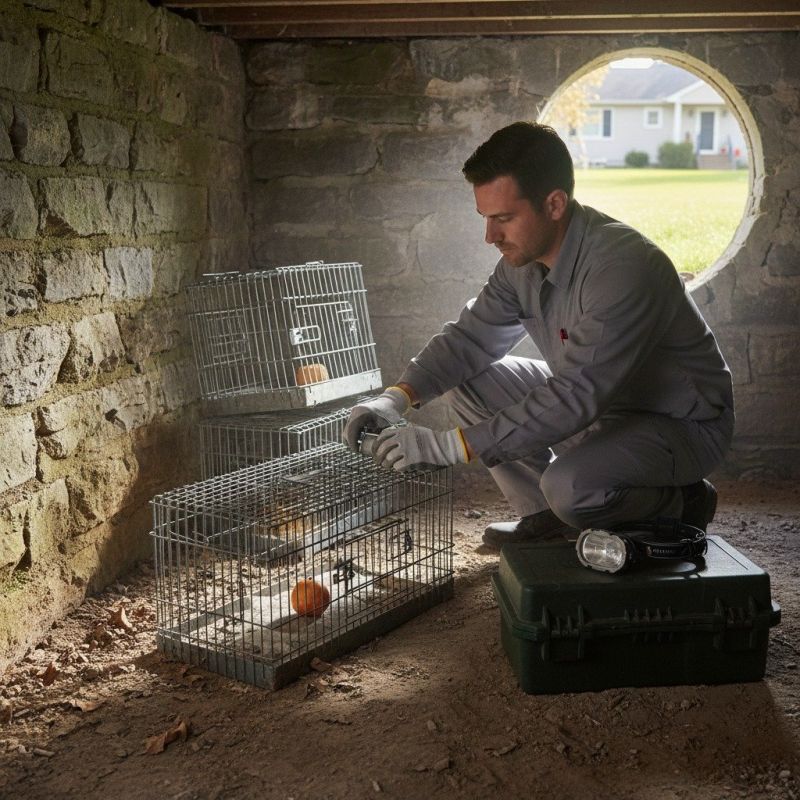
Homeowners often find themselves dealing with common animals removed by professional wildlife control services when unexpected visitors take up residence on their property. Squirrels, raccoons, and bats are frequent intruders that can cause damage or create nuisances, especially if they gain access to attics, chimneys, or crawl spaces. Property owners seeking effective removal solutions may look into local contractors who specialize in humane and efficient wildlife exclusion and removal methods to address these issues safely and thoroughly.
In many cases, property owners turn to local service providers when they encounter animals such as skunks, groundhogs, or birds nesting in or around their homes. These animals can pose health concerns or interfere with outdoor activities, prompting the need for professional assistance. By connecting with nearby wildlife control experts, property owners can find experienced professionals equipped to handle a variety of common animal intrusions, helping to restore safety and peace of mind on their property.
What are some common animals removed by professional wildlife control services? Typical animals include raccoons, squirrels, bats, skunks, and birds that may invade residential or commercial properties.
Why do wildlife control services often handle raccoons and squirrels? These animals frequently seek shelter in attics, walls, or crawl spaces, making professional removal necessary to ensure safe and humane exclusion.
Are bats commonly removed by wildlife control professionals? Yes, bats often roost in buildings, especially in attics or eaves, and require expert removal to prevent health risks and property damage.
Which animals are usually removed from under decks or in yards? Animals such as skunks, groundhogs, and sometimes foxes or opossums can be removed from these areas by local service providers.
Can professional wildlife control services handle bird infestations? Yes, they can remove nesting birds, especially those causing damage or safety concerns, and implement exclusion measures to prevent future issues.
Identifying common animals removed by professional wildlife control services - property owners can learn which animals are frequently handled to better recognize signs of intrusion on their property.
Implementing exclusion techniques with the help of local contractors - using expert advice, property owners can install barriers or modify structures to prevent animals from entering.
Understanding habitat modification strategies - adjusting landscaping or removing attractants can reduce the likelihood of common animals seeking refuge on the property.
Learning about humane removal methods - property owners can ensure that wildlife control services use ethical techniques to safely remove animals like raccoons, squirrels, or bats.
If you are thinking about common animals removed by professional wildlife control services for a property, this guide is meant to help you understand this topic, the typical project types, and how different options might fit your plans.
When you are ready, you can use the quote form on this page to share a few details about your project. From there, local pros can review the basics and follow up with options that match what you have in mind.