How Wildlife Can Damage Roofs, Attics, and Insulation
People seeking wildlife removal often want to prevent damage to roofs, attics, and insulation, and local service providers can safely handle wildlife exclusion and repair.
Many property owners in the area are discovering that wildlife can cause unexpected damage to their roofs, attics, and insulation. Animals such as raccoons, squirrels, and birds often seek shelter in these spaces, leading to issues like chewed wiring, torn insulation, and structural wear. Recognizing the signs of wildlife intrusion early can help prevent more costly repairs down the line, making it a practical concern for anyone looking to protect their home investment.
Fortunately, local contractors specializing in wildlife removal are equipped to address these problems effectively. They can identify how wildlife has impacted the property, safely remove the animals, and help implement measures to prevent future intrusions. Exploring this topic further can reveal valuable insights into safeguarding a home against wildlife-related damage, with expert services available to handle the cleanup and repairs needed to restore safety and integrity.
- Wildlife intrusion - when animals like raccoons or squirrels enter roofs or attics, local contractors can assess and remove the pests safely.
- Roof damage caused by wildlife - animals nesting or chewing on roofing materials can compromise structural integrity, with pros providing repairs and prevention solutions.
- Attic contamination - wildlife such as bats or birds can leave droppings and debris, prompting local experts to clean and sanitize affected areas.
- Insulation destruction - rodents and other wildlife may nest in insulation, reducing its effectiveness; service providers can replace or repair damaged insulation.
- Entry point identification - wildlife can create small openings that allow animals inside; local pros specialize in sealing these entry points to prevent future damage.
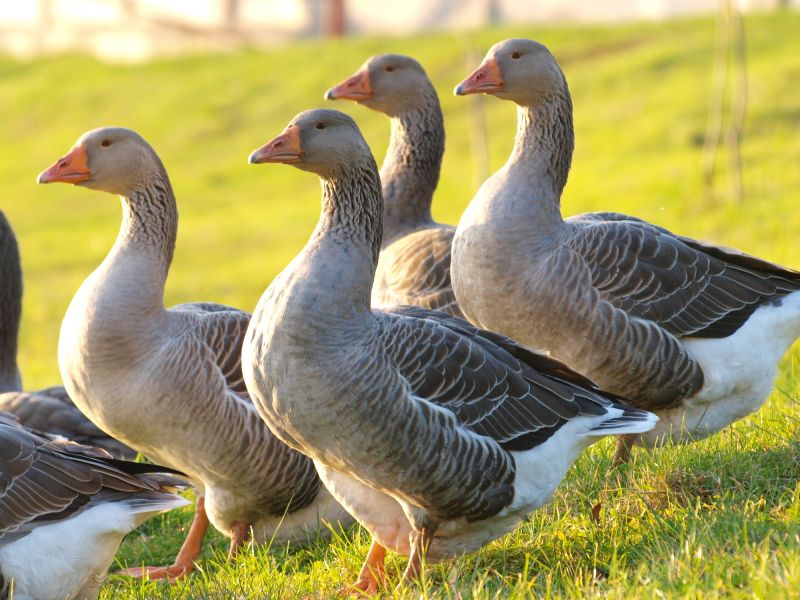
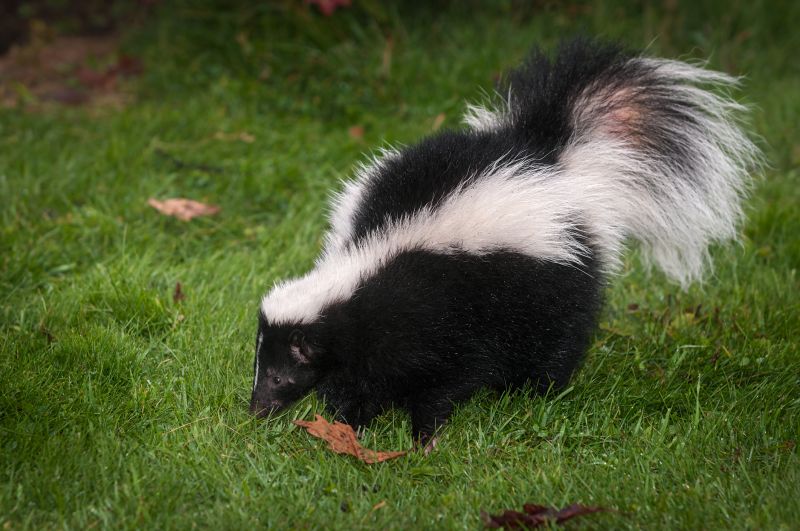
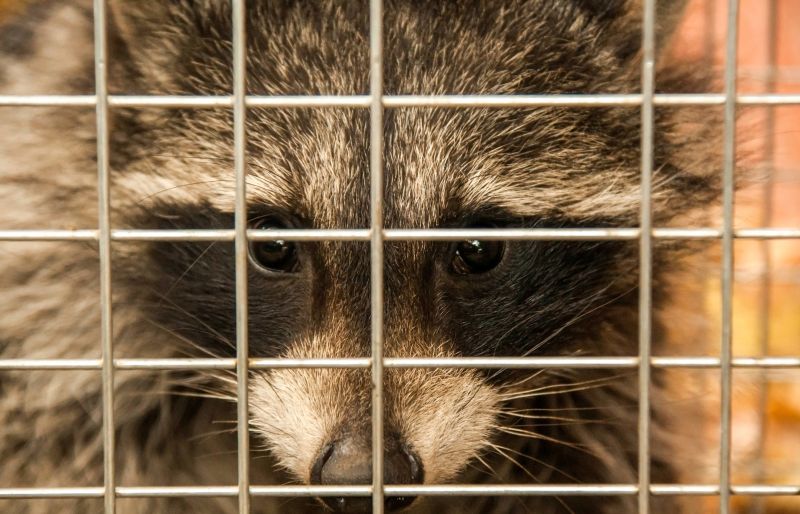
When people search for how wildlife can damage roofs, attics, and insulation, they are often concerned about the potential for animals to cause structural issues in their homes. This topic typically comes up when homeowners notice signs of animal activity, such as strange noises, droppings, or damage to roof vents and soffits. The concern is that animals like raccoons, squirrels, bats, or birds may gain entry into the attic space, leading to a range of problems that can compromise the integrity of the property. Understanding these risks helps homeowners recognize when they need professional assistance to inspect and address wildlife-related damage before it worsens.
This issue relates closely to various property problems and planning efforts. Damage caused by wildlife can include chewed wiring, which increases the risk of electrical fires, or torn insulation that reduces energy efficiency and raises heating or cooling costs. Additionally, animal droppings and nesting materials can create unsanitary conditions and promote mold growth. Homeowners might also consider preventative measures, like sealing entry points or installing barriers, to prevent future invasions. Engaging with local service providers who specialize in wildlife removal can be a crucial step in both fixing existing damage and implementing strategies to protect the home from future wildlife-related issues.
The types of properties most often affected by wildlife damage are residential homes, especially those with accessible attics or roof structures. Older houses with less secure roofing or vent systems are particularly vulnerable. Attics that are poorly insulated or have gaps in the roofline provide ideal entry points for animals seeking shelter. Rural properties or homes near wooded areas tend to experience higher incidences of wildlife intrusion, but even suburban and urban homes can be affected. When wildlife gains access, it can create significant damage that requires professional removal and repair services to restore the safety and functionality of the property.
Local contractors who specialize in wildlife removal and property repair play an essential role in addressing these issues. They can identify how wildlife is gaining entry, safely remove the animals, and implement repairs to prevent re-entry. These service providers are equipped to handle the removal of various animals and can also advise on sealing vulnerable areas to protect the home long-term. Recognizing how wildlife can damage roofs, attics, and insulation helps homeowners understand the importance of timely intervention. Connecting with experienced local pros ensures that damage is properly addressed and that the home is safeguarded against future wildlife-related problems.
Pest proofing services - these projects involve sealing entry points and preventing wildlife from accessing roofs and attics, which is essential in addressing damage caused by animals like raccoons and squirrels.
Attic insulation replacement - replacing or upgrading insulation often requires removing contaminated or damaged materials caused by wildlife intrusion, with local contractors handling the cleanup and installation.
Roof repair and replacement - repairs to damaged roofing components are common when wildlife such as birds or rodents cause structural issues or create entry points into the attic space.
Gutter cleaning and maintenance - wildlife can nest in clogged gutters, leading to water damage and roof issues, making gutter services relevant in preventing further damage.
Animal trapping and removal - these projects focus on safely removing wildlife from properties, which directly addresses damage caused by animals in roofs and attics.
Structural repairs and reinforcement - reinforcing vulnerable areas of a roof or attic prevents wildlife from gaining access and causing ongoing damage to insulation and structural components.
When comparing wildlife removal service providers, it’s important to consider their experience with similar projects involving how wildlife can damage roofs, attics, and insulation. Service providers with a proven track record in handling wildlife-related property issues are more likely to understand the specific challenges involved, such as identifying entry points, safely removing animals, and preventing future intrusions. Homeowners should inquire about the types of wildlife the pros have worked with and whether they have successfully addressed problems similar to their own, ensuring the chosen contractor has relevant experience to handle the scope of the damage.
Clear and detailed written expectations are essential when evaluating local contractors for wildlife removal services. A reputable provider should be able to outline the steps involved in the removal process, including inspection, humane animal exclusion, and repairs to prevent re-entry. Having a transparent plan helps homeowners understand what to expect and ensures that the scope of work is well-defined. It’s also advisable to ask for a written estimate that specifies the services included, so there are no surprises or misunderstandings during the project.
Reputable references and good communication are key factors in selecting a wildlife removal service provider. Service providers with positive references from previous clients can provide insights into their professionalism, reliability, and quality of work. Additionally, effective communication-such as responsiveness to questions and clarity in explaining procedures-can greatly influence the overall experience. Homeowners should seek out providers who demonstrate transparency and attentiveness, making it easier to coordinate efforts and ensure that all concerns related to how wildlife can damage roofs, attics, and insulation are thoroughly addressed.
Property owners often search for how wildlife can damage roofs, attics, and insulation when they are planning practical projects around their homes and businesses. Local pros provide Wildlife Removal services for everyday jobs and straightforward project options.
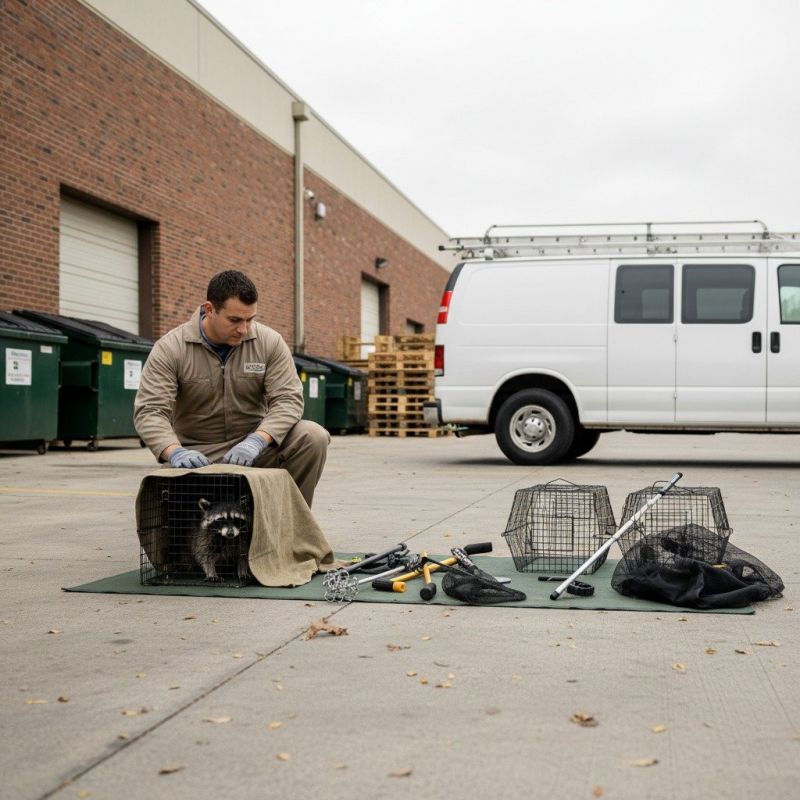
Wildlife can cause significant damage to roofs, attics, and insulation, leading property owners to seek professional removal services. Common issues include animals like raccoons, squirrels, and birds gaining entry through small openings, often nesting in the attic space. Their presence can result in chewed wiring, damaged shingles, and compromised structural integrity, which may lead to costly repairs if not addressed promptly. Property owners noticing unusual noises, droppings, or signs of nesting are often advised to explore wildlife removal options to prevent further damage.
In addition to structural concerns, wildlife can deteriorate insulation by nesting or urinating in the area, reducing its effectiveness and increasing energy costs. The accumulation of debris and nesting materials can also attract pests or create fire hazards. Local contractors specializing in wildlife removal can assess the extent of the damage and implement humane methods to remove animals and secure entry points. Connecting with experienced service providers can help restore the safety and integrity of a home affected by wildlife-related damage.
How can wildlife damage roofs and attics? Wildlife such as raccoons, squirrels, and birds can cause damage by chewing through roofing materials, creating entry points, and nesting in attics, which can lead to structural issues and insulation problems.
What types of wildlife commonly cause damage to roofs and insulation? Common wildlife that can damage roofs and insulation include raccoons, squirrels, bats, birds, and rodents, all of which may seek shelter or food inside attic spaces.
How does wildlife damage affect attic insulation? Wildlife can tear or displace insulation, introduce droppings and parasites, and create holes that allow moisture and pests to enter, reducing insulation effectiveness and increasing energy costs.
What signs indicate wildlife may have damaged a roof or attic? Signs include strange noises, droppings, chewed wiring or materials, nesting debris, and visible holes or damage to roofing or attic structures.
How can local service providers help prevent wildlife damage? Local contractors can inspect for entry points, remove existing wildlife, and implement repairs and exclusion methods to prevent future damage to roofs, attics, and insulation.
Identify wildlife entry points - property owners can inspect their roofs and attics for gaps or holes that animals might use to gain access, and seek wildlife removal services to seal these openings.
Install deterrents and barriers - adding fencing, chimney caps, or mesh can help prevent animals from entering roof spaces, with local contractors providing expert installation.
Assess insulation damage - inspecting attic insulation for signs of animal activity allows property owners to plan for removal and replacement services from wildlife control specialists.
Schedule regular inspections - routine checks of roofs and attics can help catch wildlife-related damage early, enabling timely intervention by local wildlife removal professionals.
If you are thinking about how wildlife can damage roofs, attics, and insulation for a property, this guide is meant to help you understand this topic, the typical project types, and how different options might fit your plans.
When you are ready, you can use the quote form on this page to share a few details about your project. From there, local pros can review the basics and follow up with options that match what you have in mind.